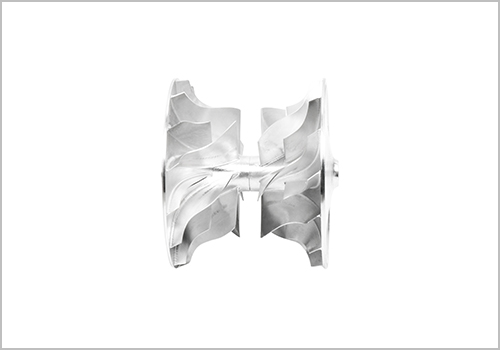
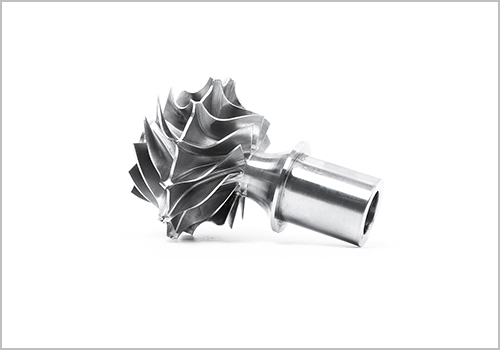
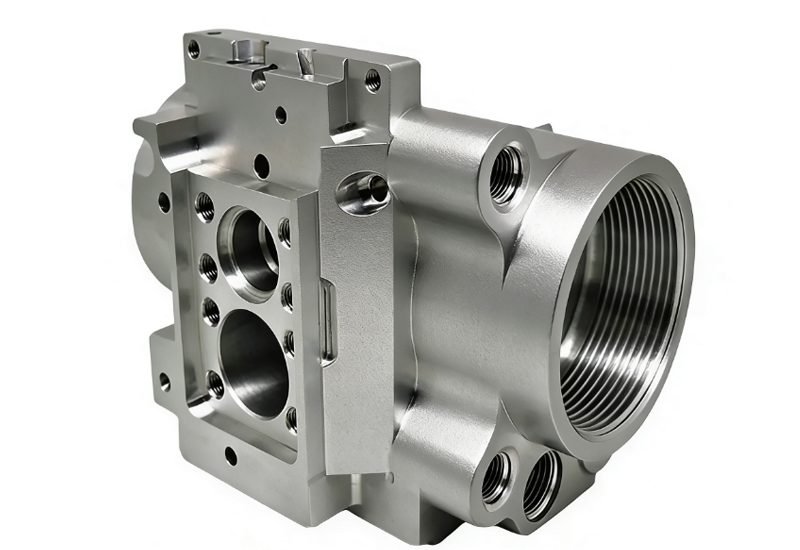
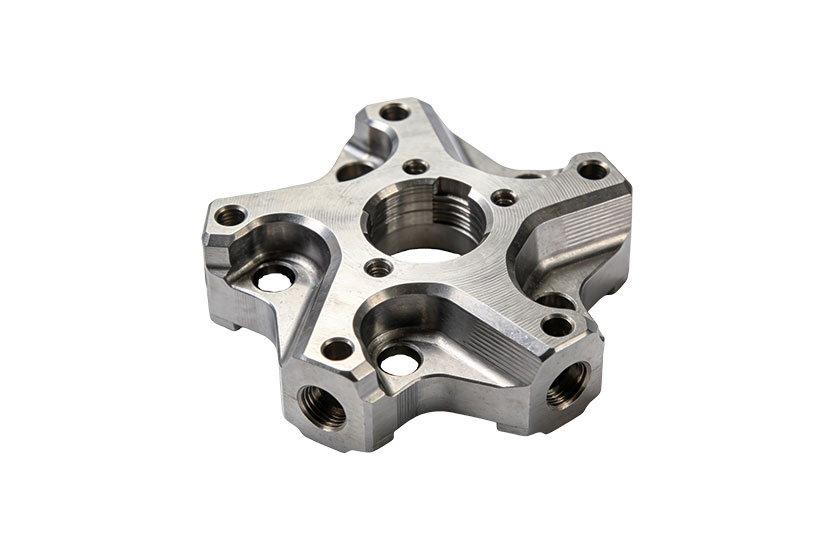
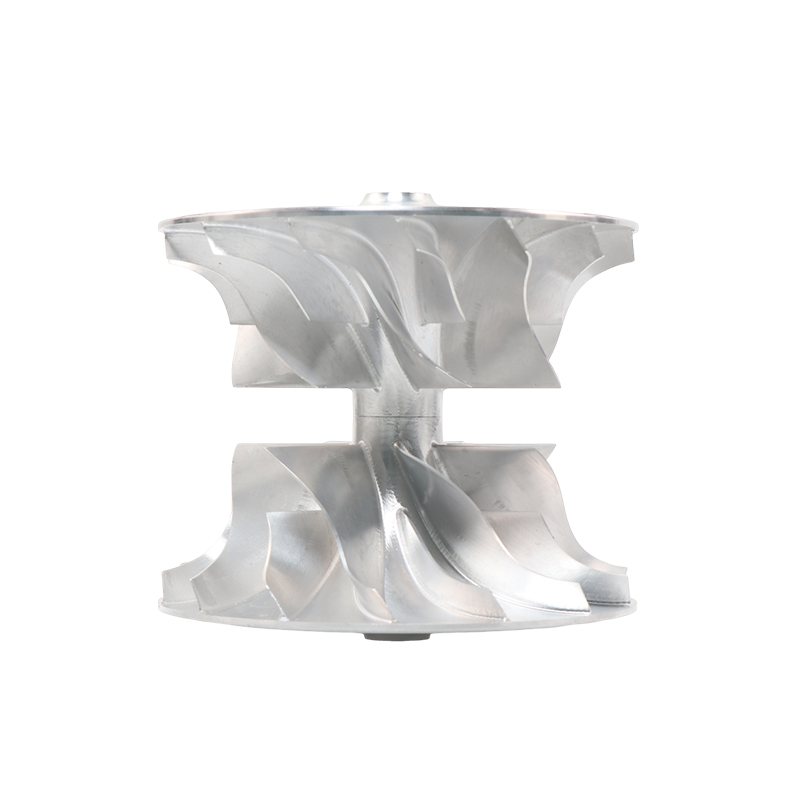
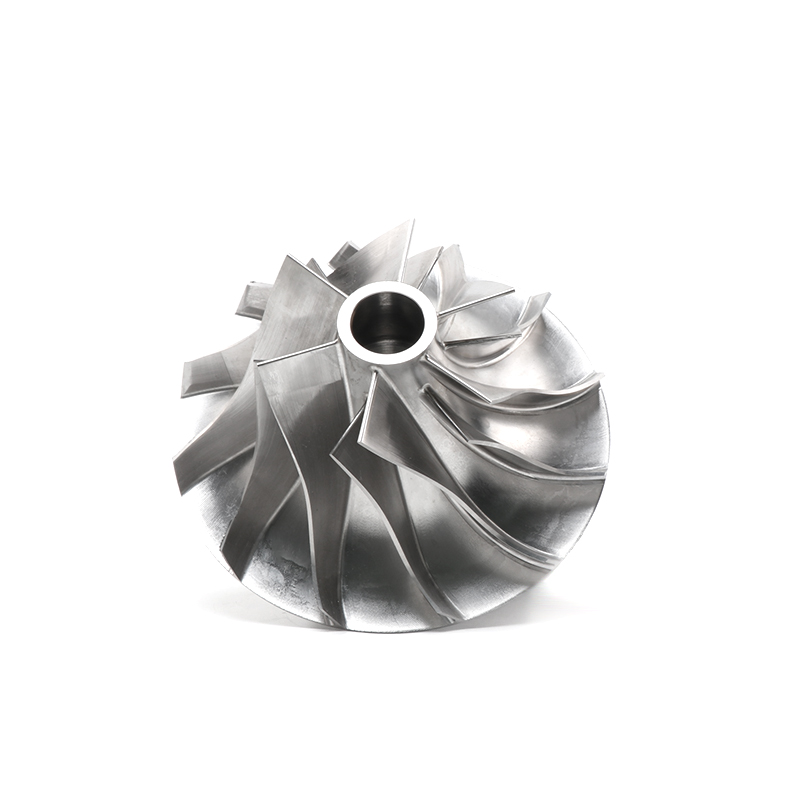
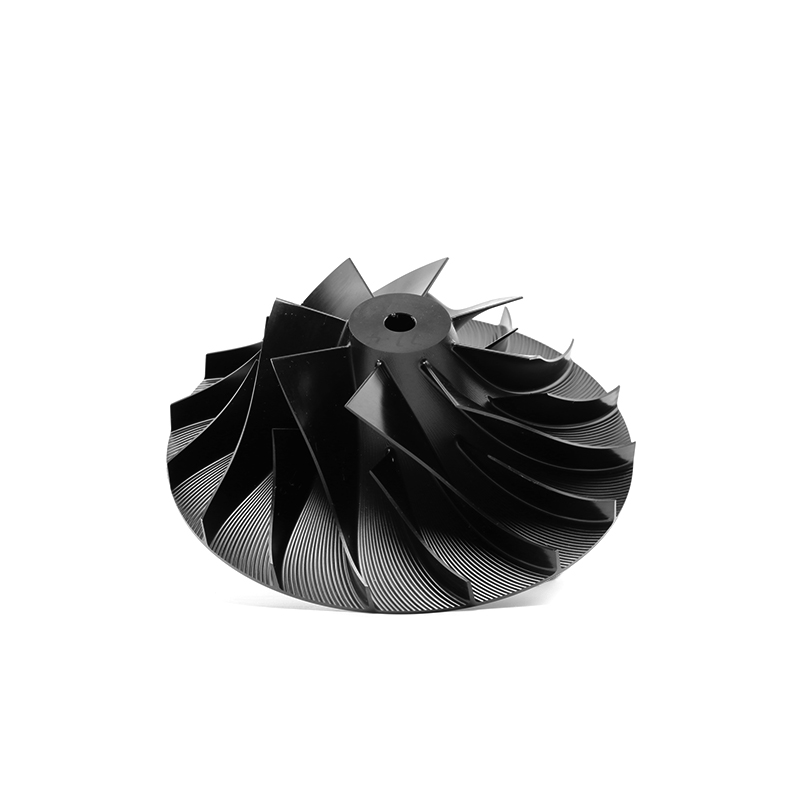
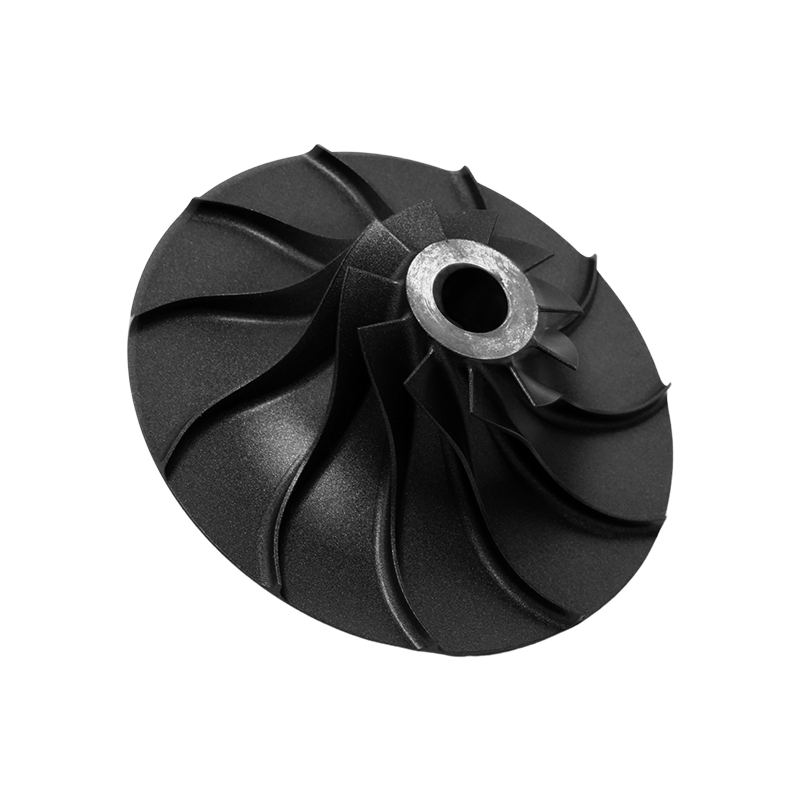
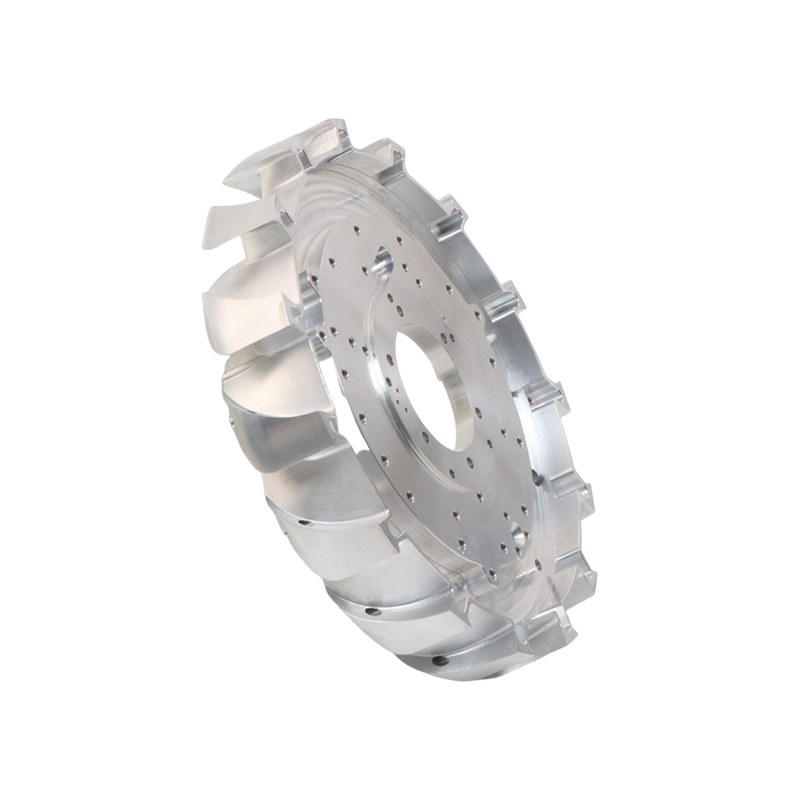
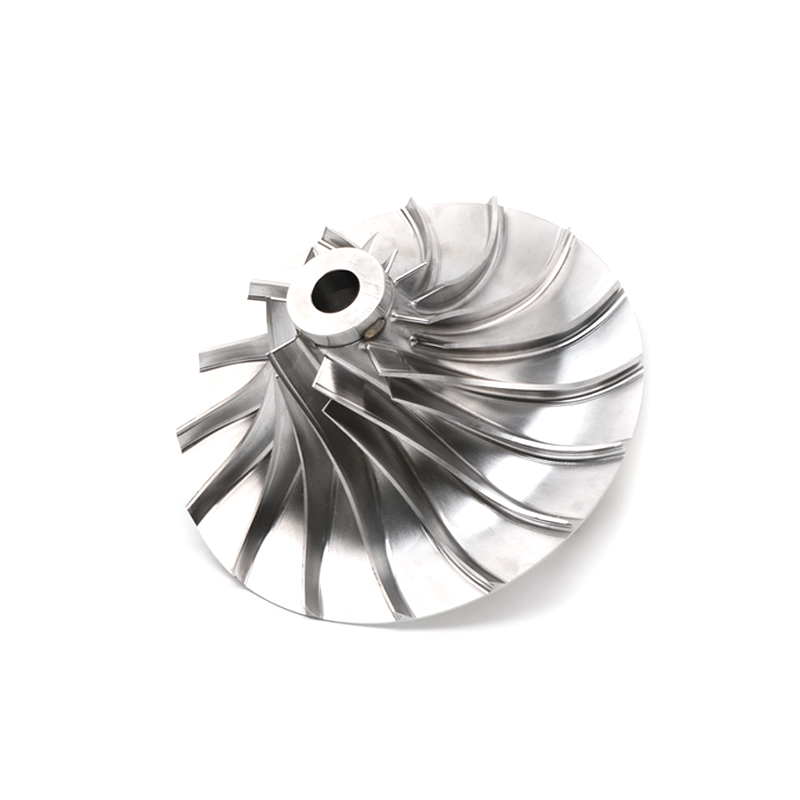
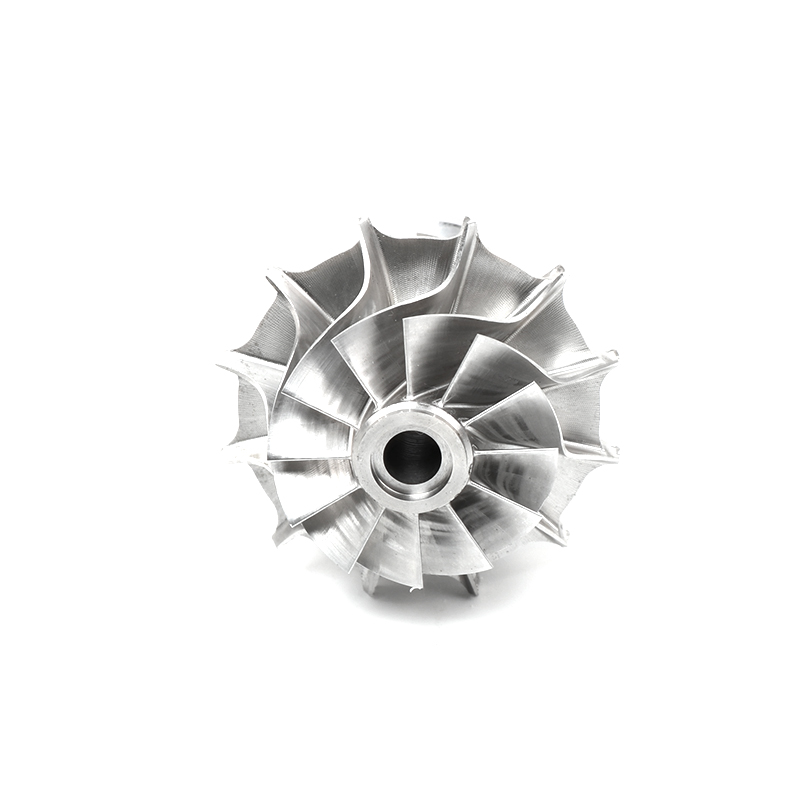
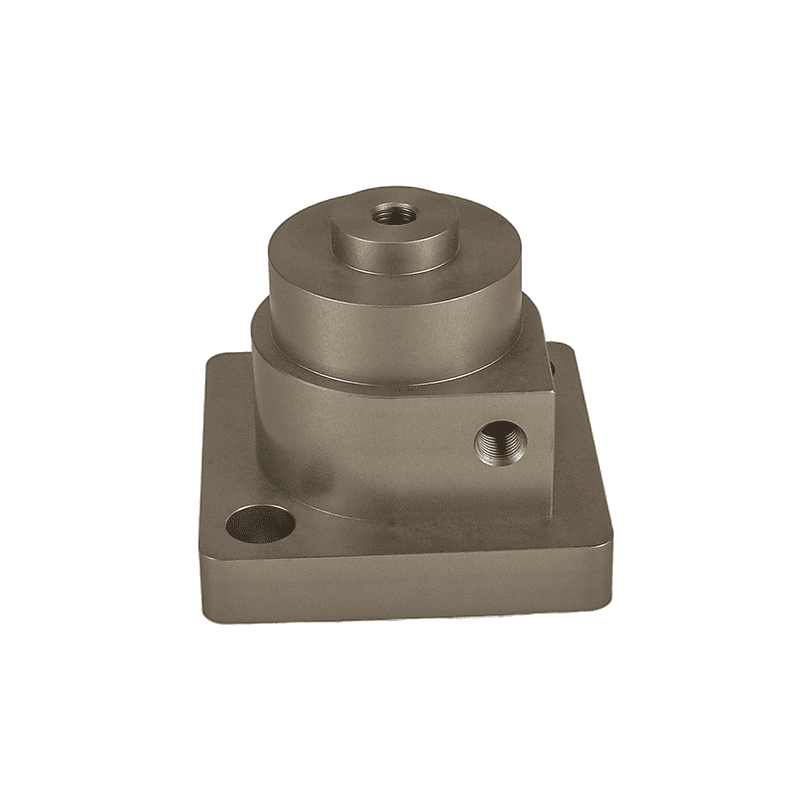
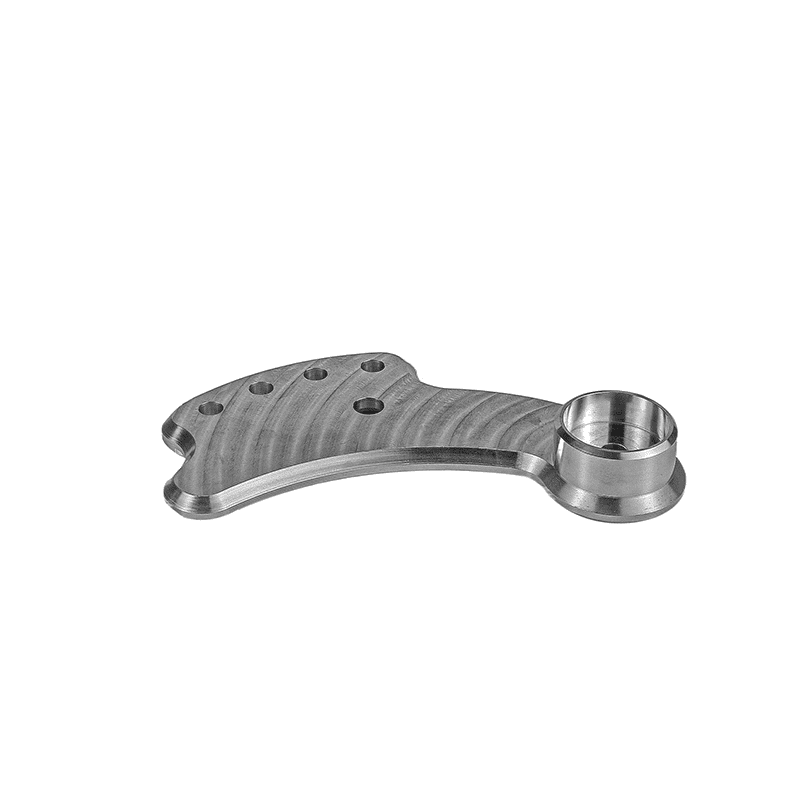
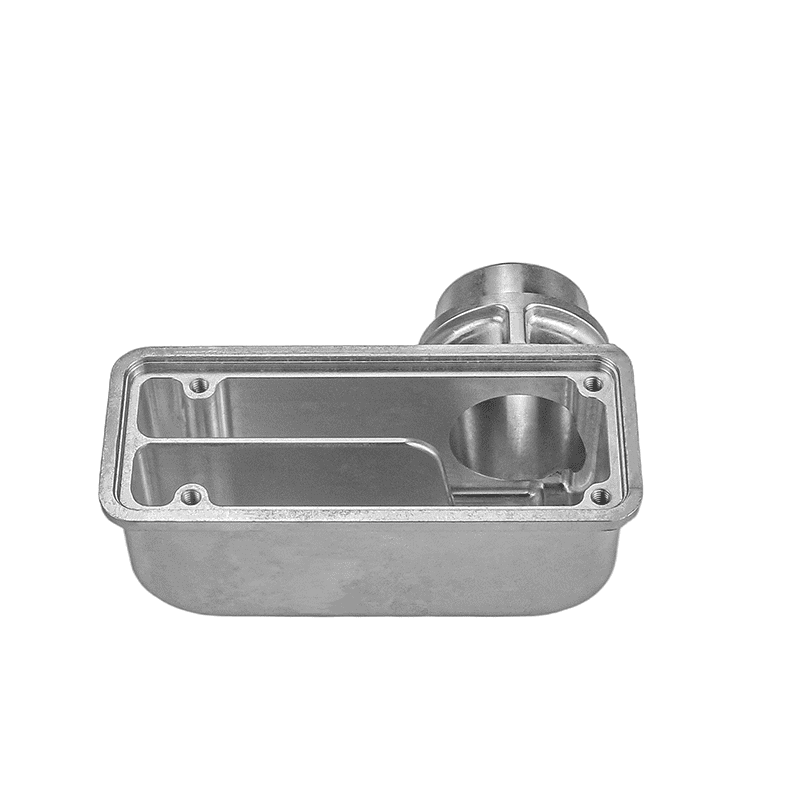
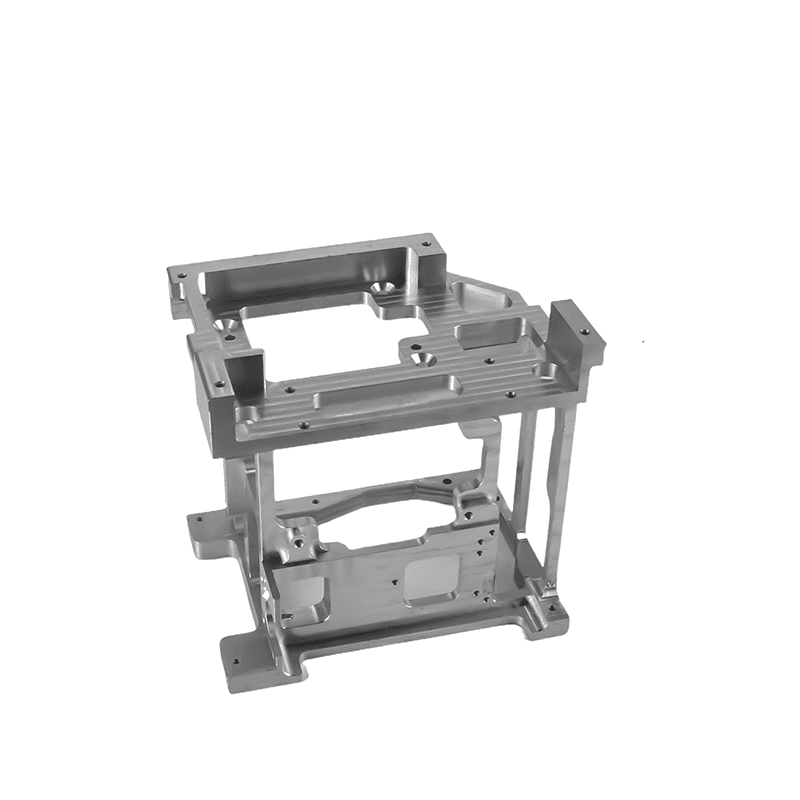
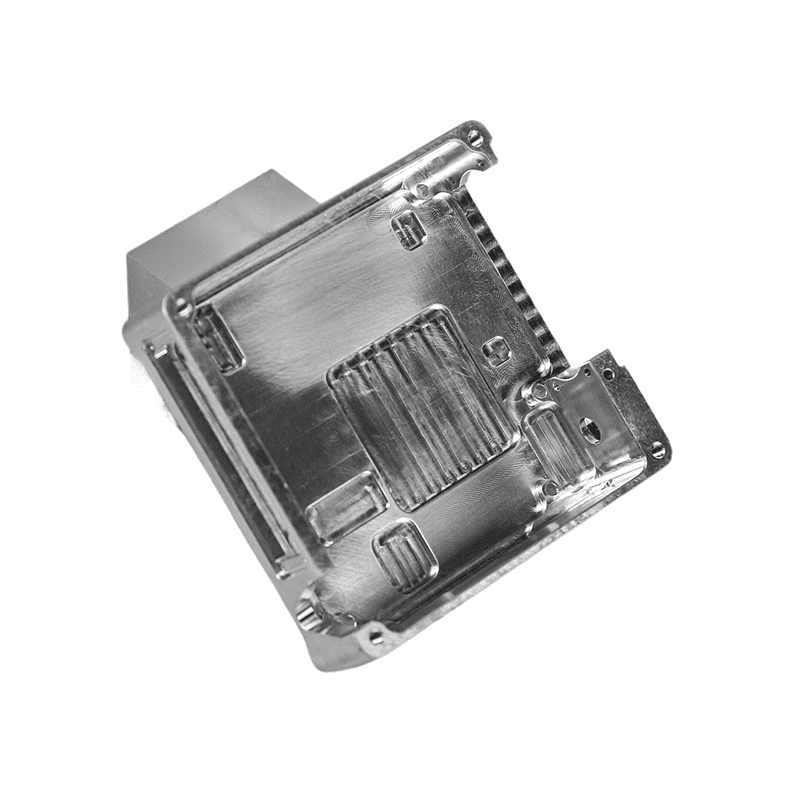
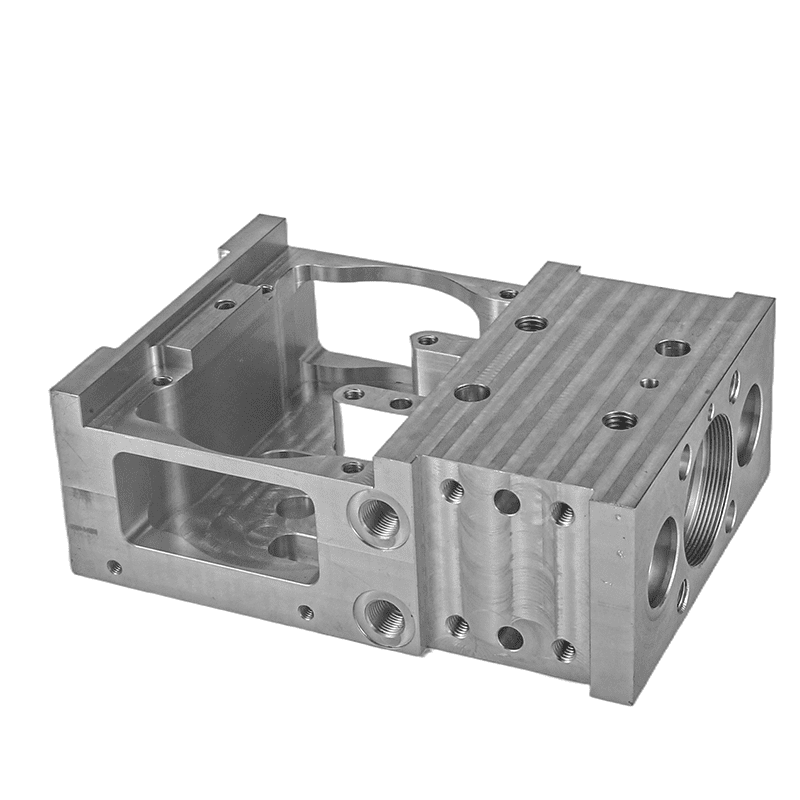
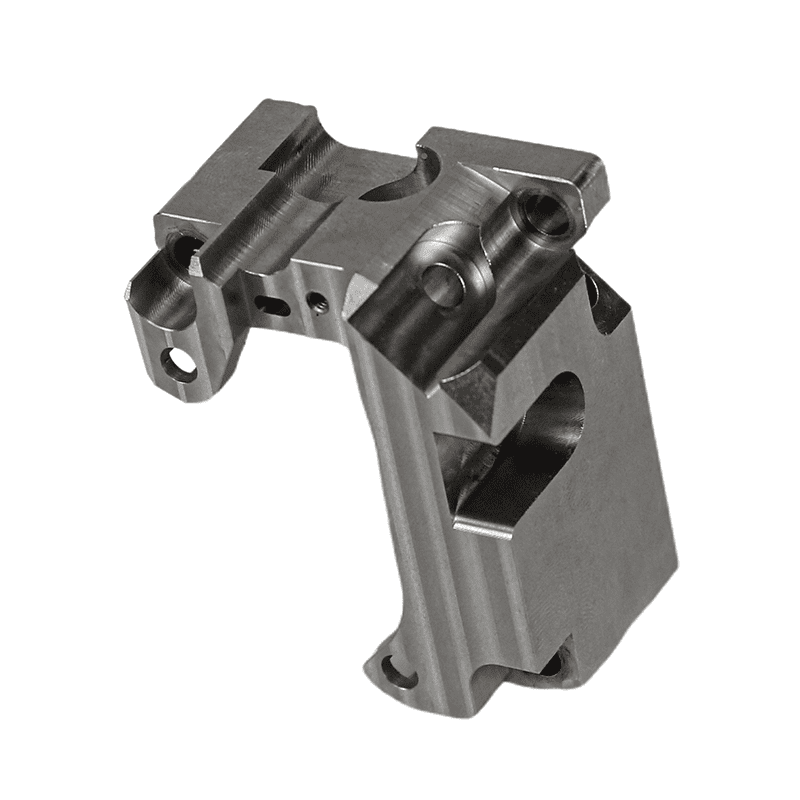
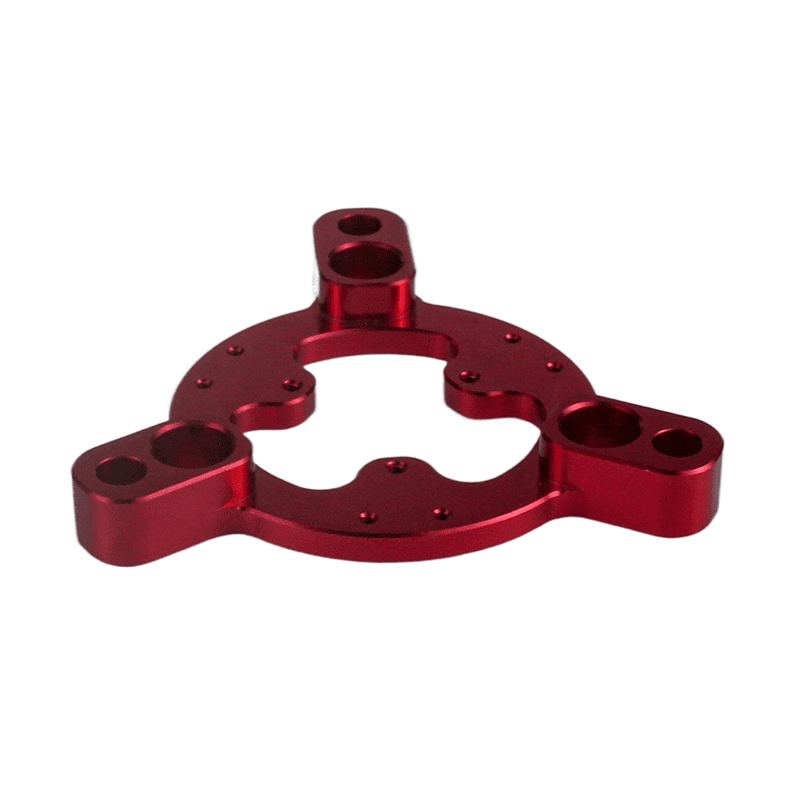
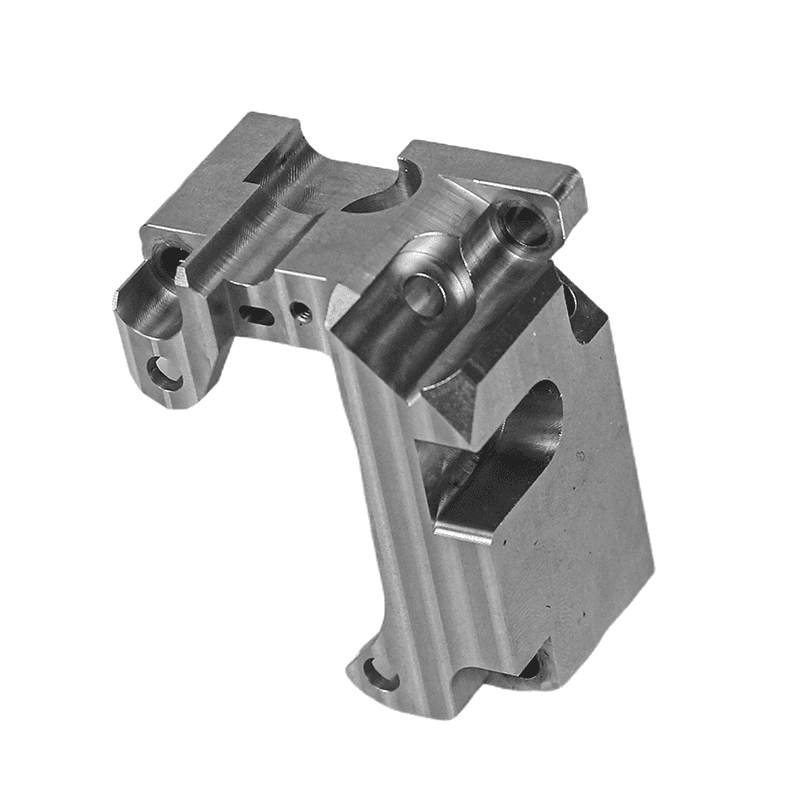
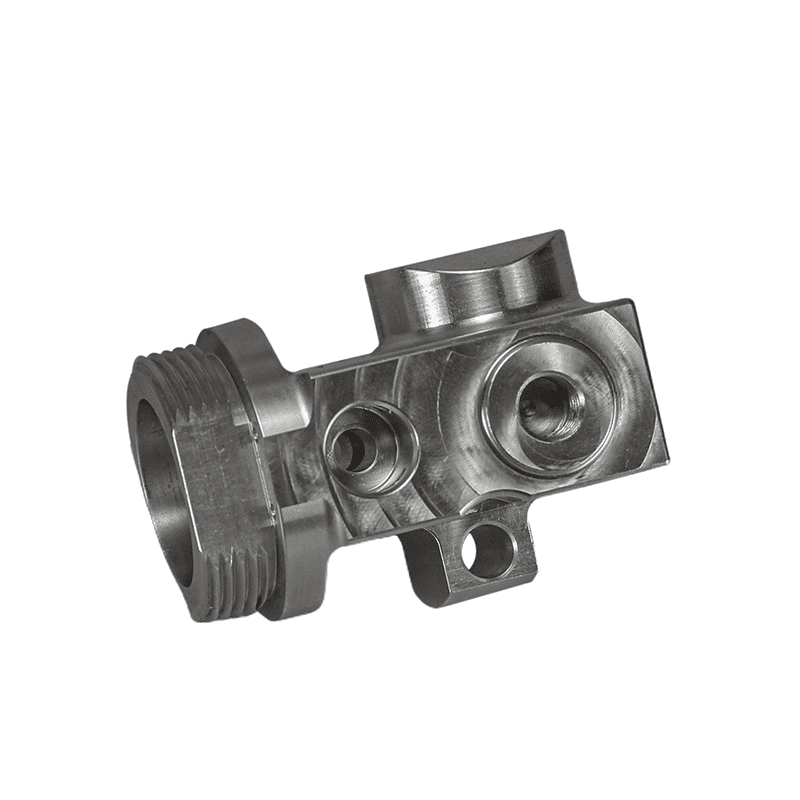
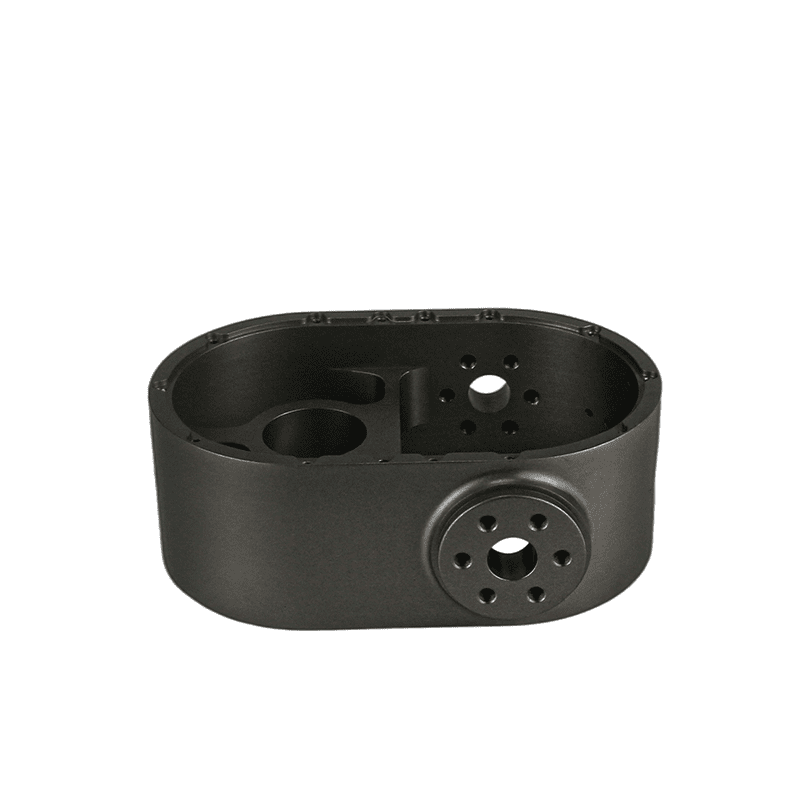
HtsinPrecision offers a diverse range of metals for CNC machining, serving industries like aerospace, automotive, and medical. Ideal for custom prototypes and end – use parts—we deliver precision every time.
Machine intricate contours, deep cavities, and compound angles in one operation.
Achieve exceptional accuracy and surface finish across the entire part geometry.
Process a wide range of engineering metals and plastics certified for aerospace, automotive, and medical applications.
From prototype to production, benefit from faster turnaround and streamlined workflows.
Choosing the proper metal for CNC machining requires considering multiple key factors. The metal’s performance under conditions like high temperatures and pressure (e.g., heat resistance, anti – deformation/fracture ability) directly impacts the final part quality. We deeply collaborate with customers to comprehensively evaluate corrosion resistance, workability, cost, weight, and visual needs. Tailoring metal solutions for industries such as aerospace, automotive, and medical, we build a solid foundation for high – quality parts with professional material selection.
Image
Name
Description
Aluminum
High machinability + Good strength-to-weight ratio
Stainless steel
Good machinability + High tensile strength + Corrosion resistant
Titanium
Excellent strength to weight ratio + Corrosion resistant
Helping You Achieve Complex Structures and Designs
Analyzing the Machinability of Metal Materials to Empower Lightweight Precision Manufacturing
Aluminum
Aluminum is one of the most cost-effective metal materials for metal CNC machining. Asides from its inexpensive nature, this metal also has an ideal strength-to-weight ratio and high performance, making it ideal for lightweight machining parts.
Besides, aluminum has high machinability, allowing the manufacture of parts cheaply and quickly. There are different grades of aluminum used in CNC machining. These include:
Aluminum 6061-T6
AL6061-T6 is the most widely used aluminum grade in CNC machining. It is an economical grade with excellent machinability, workability, and atmospheric resistance. On the downside, this grade of aluminum has low resistance to salt water and chemical.
The 6061-T6 grade is ideal for machining construction materials, aerospace components, and transportation equipment.
Aluminum 7075-T6
Al7075-T6 is a high-grade metal with excellent strength, making it an ideal choice for CNC machined parts in industries like automobiles and aerospace. Its ductility, toughness, and fatigue resistance make Al7075 suitable for manufacturing high-stress structural components.
Aluminum 6082
This is the aluminum grade commonly used for machining. Of all the 6000 series, the 6082 has the highest strength, even stronger than the 6061.
Its strength is due to its large amount of manganese, which controls its grain structure. The 6082 has excellent corrosion resistance making it ideal for use in the aerospace and defense industry.
Stainless Steels
Although not as highly machinable as aluminum, stainless steel still has good machinability. It also has an affordable CNC machining cost, making it a good alternative for machining components or parts.
There are different grades of stainless steel material ideal for CNC machining, but the common ones include the following:
SS304
This is one of the most common stainless steel grades used for machining. It has good formability and weldability.
It has applications in milling a wide range of kitchen utensils and appliances. Also, SS304 has applications in manufacturing pipes and machinery for food handling.
SS303
The SS303 grade of stainless steel has excellent corrosion resistance and durability. These properties make SS303 ideal for the metal fabrication of gears, shafts, bushings, nuts and bolts, and aircraft fittings.
The 303 stainless steel grade contains 17% chromium, 8% nickel, and 0.15% sulfur. However, this sulfur content makes it impossible to harden this metal through heat treatment.
SS316
The SS316 grade of stainless steel has incredible corrosion resistance and strength. This corrosion resistance is due to its 2% to 3% molybdenum content asides from its chromium and nickel content.
The high strength of SS316 gives it specialized use in both aerospace and medical implants.
Titanium
Titanium is one metal that has an excellent strength-to-weight ratio, as well as temperature and chemical resistance. Its high strength and biocompatibility make it ideal for making medical devices. Other applications of this metal are in the aerospace and high-end automotive industry.
However, titanium raw material is costly, making it an expensive metal to machine.
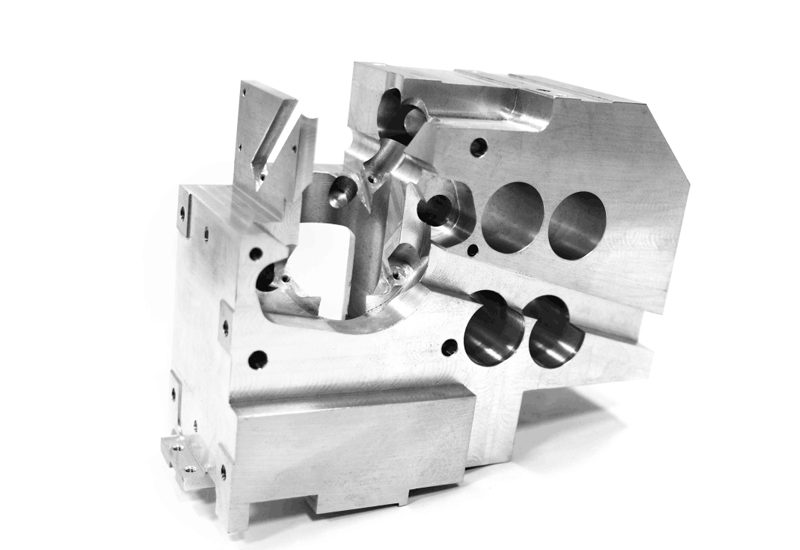
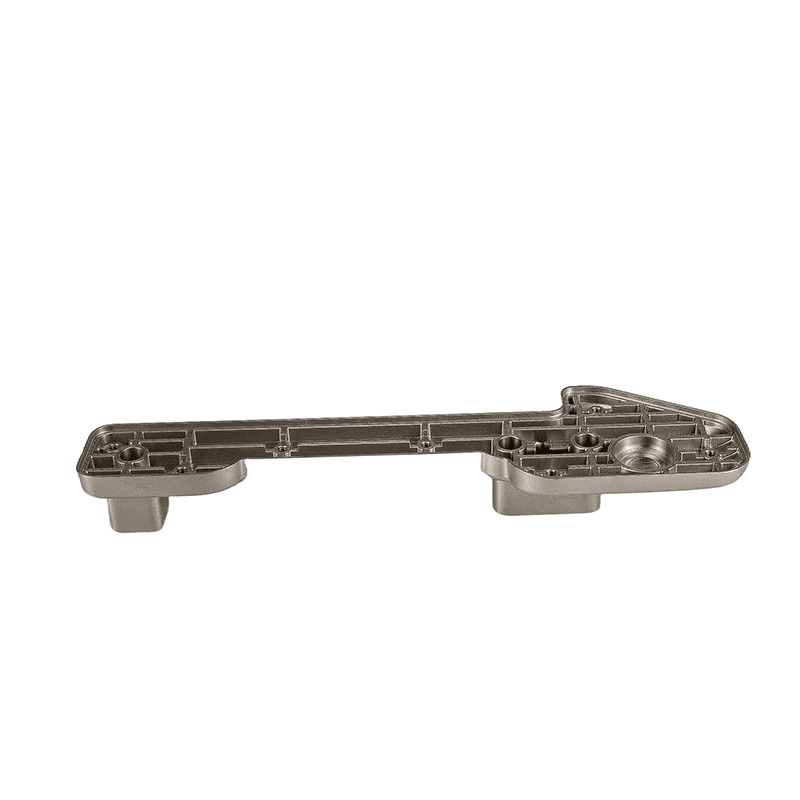
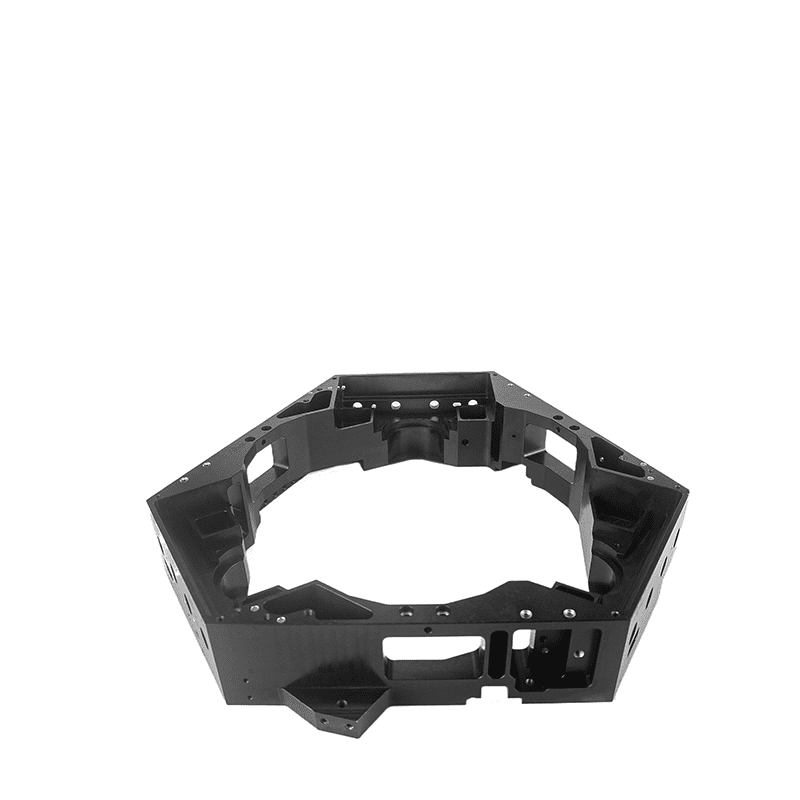
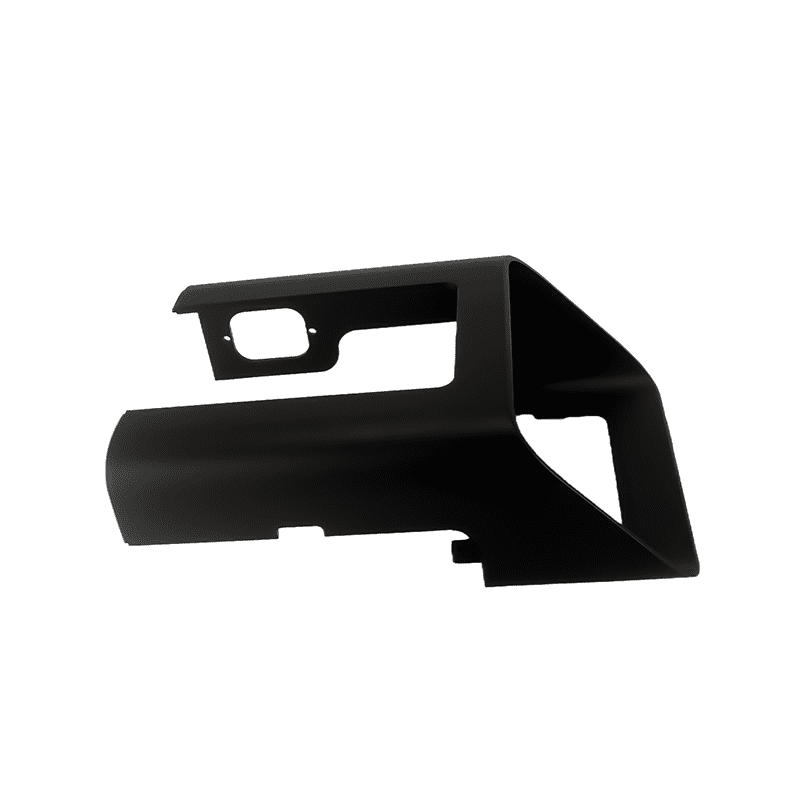
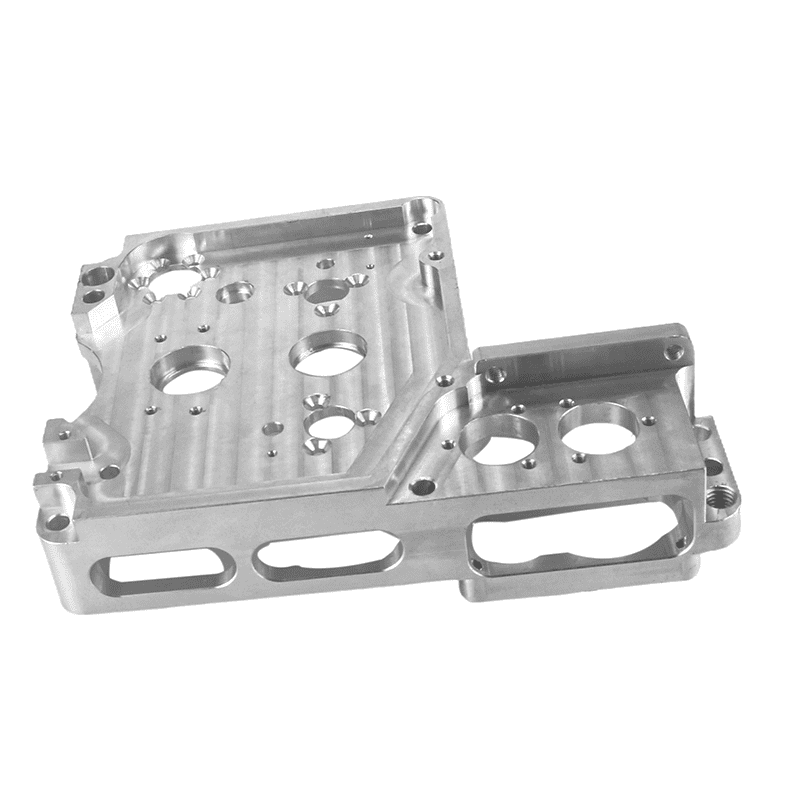
Gallery of Our 5 axis CNC machining parts
We machine rapid prototypes and low & large volume production orders for customers across diverse industries: medical devices, aerospace, automotive, electronics, hardware startups, industrial automation, machinery, marine, robotics, and many more.
We Are Here To Solve Your Problem And Meet Your Needs